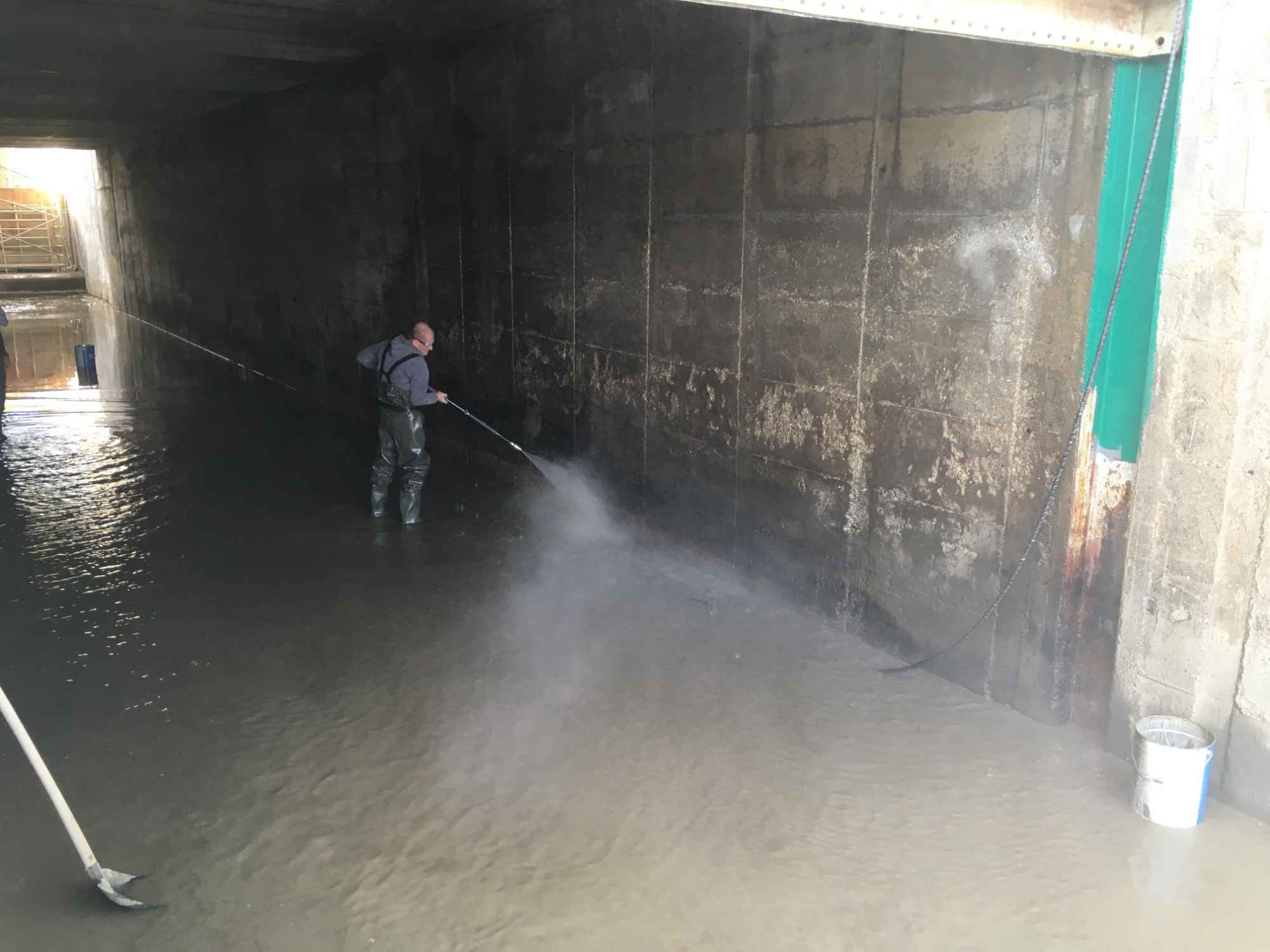
Surface preparation is one of the most important steps in industrial painting and corrosion protection. For paints and coatings to provide long-lasting protection, the surface must be properly prepared. The right preparation method ensures excellent coating adhesion, which extends the lifespan of equipment and machinery and reduces maintenance costs.
In this blog post, we will detail the most commonly used surface preparation techniques, including manual and mechanical wire brushing, abrasive blasting, acidic and alkaline degreasing, and phosphating. We will explain why coating adhesion is critical and how these methods contribute to durable and reliable results.

1. Manual and Mechanical Wire Brushing
What is wire brushing?
Wire brushing is one of the simplest yet most effective surface preparation methods. It removes rust, paint residues, and contaminants from the surface. Manual wire brushing is a simple and low-cost method, while mechanical wire brushing is faster and suitable for larger surfaces.
Why is it important?
By removing surface contamination and oxidation, wire brushing helps coatings adhere better to the metal. A clean, smooth surface ensures long-lasting adhesion of paints and anti-corrosion agents—essential for long-term protection.

2. Abrasive Blasting
What is abrasive blasting?
Abrasive blasting involves propelling small particles (such as sand, steel, or other media) at high pressure onto the surface. The goal is to remove old paint, rust, and other contaminants while also roughening the surface to improve paint adhesion.
Why is it important?
Abrasive blasting not only cleans the surface but also enhances adhesion. The resulting surface texture helps paints bond more effectively, leading to durable coatings. This method is especially useful in industrial environments where materials are exposed to greater stress.
3. Acidic and Alkaline Degreasing
What is degreasing?
Degreasing uses acidic or alkaline solutions to clean metal surfaces by removing oil and grease residues that can hinder coating adhesion.
Why is it important?
Degreasing is critical for proper coating adhesion. If a surface is contaminated with oil or grease, paint won’t bond correctly, leading to peeling and diminished corrosion protection. Acidic or alkaline degreasing is the best way to ensure a perfectly clean surface before painting.
4. Phosphating
What is phosphating?
Phosphating is a chemical surface treatment in which the metal surface is coated with a phosphate layer. This layer protects against corrosion and enhances paint adhesion.
Why is it important?
Phosphating is especially beneficial for steel and iron surfaces, as the phosphate layer provides oxidation resistance and improves coating adhesion. As a result, paints and protective layers last longer and corrosion prevention becomes more effective.
Why Is Coating Adhesion Critical?
Coating adhesion is vital for effective corrosion protection. If the paint or coating doesn’t adhere properly, it may peel, crack, or blister over time—allowing corrosion to penetrate beneath the surface. Poor adhesion also compromises long-term protection and accelerates metal deterioration.
Each step of surface preparation—whether wire brushing, abrasive blasting, degreasing, or phosphating—ensures that coatings form a strong bond with the metal, delivering durable protection and long-term corrosion resistance.
Proper surface preparation is an essential step in achieving effective painting and corrosion protection. With the right preparation, coatings remain effective over time, reducing maintenance costs and increasing the lifespan of equipment. If you need professional help with surface preparation, our experts offer the best solutions to ensure long-lasting protection and durability. Request a quote today, and we guarantee excellent results!